

Influential Women Showcases Sara Evans: Championing Deaf-Centered Education And Meaningful Language Access For Decades
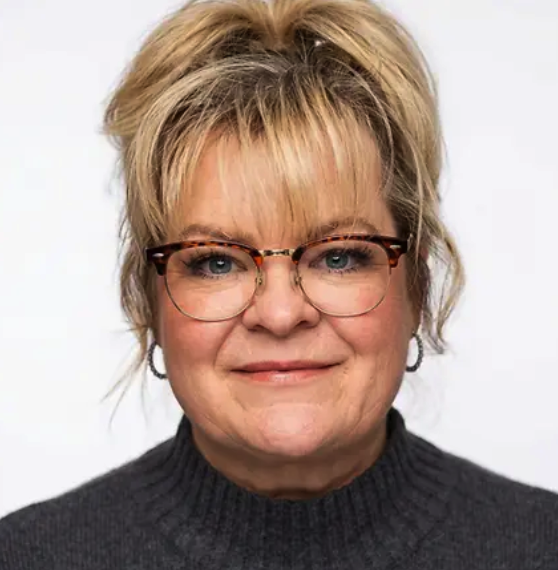
Knoxville, Tennessee – Sara Evans, an ASL Interpreter Educator based in Knoxville, Tennessee, is bringing more than three decades of experience in Deaf education, interpreter training, higher education, and language access to her work at Bromberg & Associates and as an Adjunct Professor at the University of Tennessee, Knoxville. Throughout her career, Evans has remained committed to preparing professionals who understand not only the technical responsibilities of interpreting and education, but also the cultural responsibility that comes with working within the Deaf community.
Evans’ professional journey began in 1992 as a classroom educator and gradually expanded into interpreting, Deaf education, and higher education. Over the years, she has taught and mentored students in ASL, interpreter education, and Deaf studies programs, supervised interns, developed coursework, and supported students as they prepared for careers centered on communication access and Deaf education.
Her academic background includes a PhD in Deaf Education, Interpreting Education, and Special Education from the University of Tennessee, Knoxville. She has also served as a tenure-track professor at Eastern Kentucky University, further expanding her experience in higher education and professional preparation.
For Evans, however, the foundation of her career extends far beyond academic credentials. She attributes much of her success to the people who recognized her potential before she fully recognized it herself.
The Whitworths at the Georgia School for the Deaf were Evans’ first instructors in sign language and played a pivotal role in shaping her future. At the time, Evans was not convinced that working in the Deaf community was the path she wanted to take. She even argued with Jim Whitworth about it, insisting that a Deaf-related career was not her direction. Whitworth, however, saw something in her that she did not yet see in herself and encouraged her to pursue the field.
That early encouragement became a recurring theme throughout Evans’ career. She encountered mentors, colleagues, friends, and supporters who encouraged her to take on new challenges and reminded her that she was capable of succeeding.
Evans also credits her mother, Ethel Evans, as a major influence on the strength and determination she carries into her professional life. A three-time breast cancer survivor, her mother demonstrated resilience, independence, generosity, and equality throughout her life. Evans came to recognize as an adult how much of her own tenacity she inherited from her mother.
Her mother taught her an important lesson: not to allow men or anyone else to intimidate her or tell her that she could not pursue a position or role she wanted. That lesson continues to influence Evans’ approach to leadership and professional development.
Today, Evans emphasizes that anyone entering the field of interpreting or Deaf education must understand that learning cannot take place solely inside a classroom. Theories, coursework, and formal training are important, but meaningful engagement with the Deaf community is essential.
“You have to be in the community,” is central to Evans’ philosophy. She believes professionals must immerse themselves in Deaf culture, develop genuine relationships, listen to Deaf voices, and understand the cultural context surrounding the work.
For Evans, being welcomed into the Deaf community is an honor that comes with responsibility. She encourages aspiring interpreters and educators to understand their position as hearing professionals and approach the community with humility and respect.
A particularly important part of her philosophy is recognizing hearing privilege. Evans believes that privilege should not be used to overshadow Deaf voices. Instead, it should be used to elevate Deaf experiences, create opportunities, and open doors.
Her approach to leadership reflects that belief. Evans does not believe leadership should be about making herself the central voice in the room. When she occupies a leadership position, she believes her responsibility is to bring Deaf voices and representation into the conversation.
This perspective is especially important as the field continues to navigate challenges surrounding authentic Deaf representation and equitable language access. Evans sees significant opportunities to improve how organizations, educators, and interpreters engage with Deaf individuals and communities.
She also emphasizes the importance of understanding the difference between intent and impact. Mistakes are inevitable, but professionals must be willing to acknowledge them, learn from them, and grow.
Her philosophy can be summarized by a simple principle: “You know better, you do better.” Rather than allowing mistakes to become a source of shame, Evans encourages professionals to examine what happened, consider the impact of their actions, and use the experience as an opportunity for growth.
Respect, humility, community, kindness, tenacity, and integrity remain central to Evans’ professional and personal values. These principles have guided her through decades of teaching, interpreting, mentorship, and service.
Her work today reflects the culmination of those experiences. From the instructors who first encouraged her to enter the Deaf world to the colleagues, students, friends, and family members who have supported her along the way, Evans continues to recognize the power of community.
As an educator and interpreter, she remains focused on developing professionals who understand that language access is about far more than communication. It is about culture, dignity, representation, accountability, and ensuring that Deaf individuals have meaningful opportunities to be heard and represented.
Through her continued work in Knoxville and beyond, Sara Evans is helping shape a future in which interpreters and educators enter the field with greater cultural awareness, stronger community connections, and a deeper understanding of the responsibility that comes with serving the Deaf community.
Learn More about Sara Evans:
Through her Influential Women profile, https://influentialwomen.com/connect/sara-evans
Influential Women
Influential Women provides a platform where women from all backgrounds can connect, share their perspectives, and create content that empowers themselves and others. Through storytelling, thought leadership, and creative expression, Influential Women amplifies voices that inspire change.
Editorial Team
Influential Women
email us here
Legal Disclaimer:
EIN Presswire provides this news content "as is" without warranty of any kind. We do not accept any responsibility or liability for the accuracy, content, images, videos, licenses, completeness, legality, or reliability of the information contained in this article. If you have any complaints or copyright issues related to this article, kindly contact the author above.
